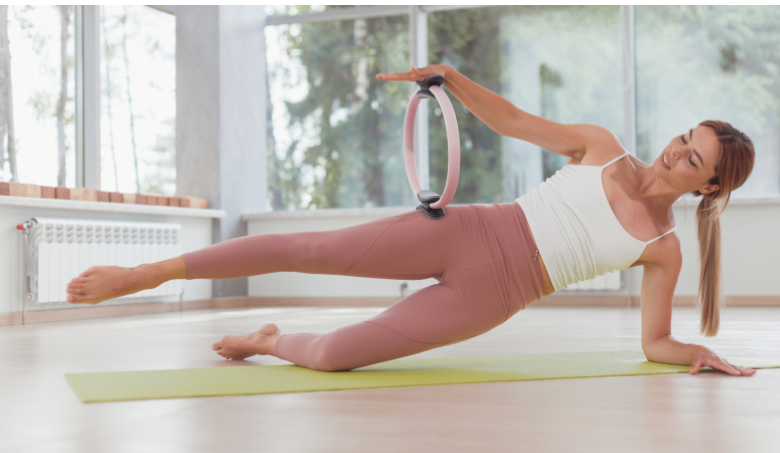
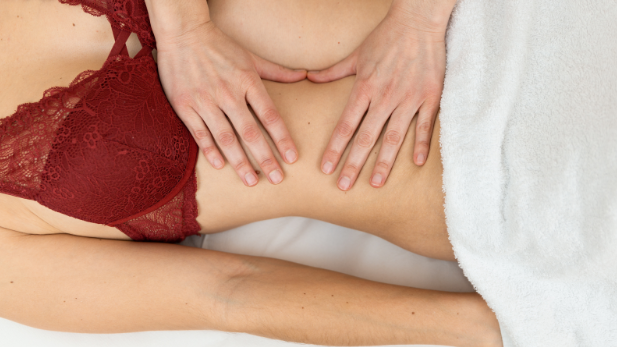
Pelvic floor physiotherapy and Clinical Pilates are often mentioned together, particularly in relation to pelvic symptoms, low back pain, pregnancy, postnatal recovery or returning to exercise with professional support.
Both approaches may involve movement, breathing, body awareness and progressive exercise. Their starting points and clinical aims are, however, different.
Understanding the difference between pelvic floor physiotherapy and Clinical Pilates can make it easier to choose an appropriate starting point and determine whether both approaches may have a place in the same care plan.
What happens during pelvic floor physiotherapy?
Pelvic floor physiotherapy begins by exploring the person’s history, current symptoms, their impact on everyday life and the goals they would like to achieve.
It may be considered in situations involving:
- involuntary leakage of urine, wind or stool;
- urinary urgency;
- pelvic heaviness or pressure;
- pelvic pain or pain during sexual intercourse;
- difficulties related to bowel function;
- changes during pregnancy or after birth;
- recovery following certain surgical procedures;
- concerns about pelvic floor function or coordination.
Care may include education, bladder or bowel strategies, pelvic floor muscle training, relaxation, coordination, breathing, mobility, general exercise and, where appropriate, manual techniques.
In some situations, the pelvic floor needs greater strength. In others, the priority may be relaxation, movement or coordination. A programme based solely on repeated contractions will therefore not address every symptom or individual need.
An internal assessment may be suggested when it has clinical relevance. Its purpose, the available alternatives and each part of the procedure should be explained beforehand. The decision always belongs to the person, who may decline or stop the assessment at any time.
What is the role of Clinical Pilates?
Clinical Pilates applies Pilates principles within a supervised exercise programme adapted to the individual.
Exercise selection, range of movement, resistance, intensity and progression may be adjusted according to functional capacity, symptoms, personal goals and the response to exercise.
Sessions may address:
- mobility;
- muscular strength and endurance;
- movement control;
- balance;
- coordination between movement and breathing;
- confidence and independence during exercise.
For non-specific low back pain, the available research suggests that Pilates may improve pain and disability when compared with minimal intervention. The evidence does not show consistent superiority over other forms of exercise.
The choice of programme should therefore take account of the person’s goals, assessment findings, exercise tolerance and ability to participate consistently.
How may both approaches form part of the same care plan?
Some people may benefit from beginning with pelvic floor physiotherapy to understand their symptoms, establish goals and learn specific strategies. Clinical Pilates may then be introduced to support general movement, physical capacity and continued exercise.
In other situations, a person without significant pelvic symptoms may begin directly with a Clinical Pilates programme adapted to their physical condition and goals.
There may also be circumstances in which both forms of support take place at the same time. This decision depends on the assessment, the needs identified and the person’s response to care.
Not everyone requires both approaches. A useful plan includes only what is relevant to the person’s current needs and can be reviewed as those needs change.
What about pregnancy and the postnatal period?
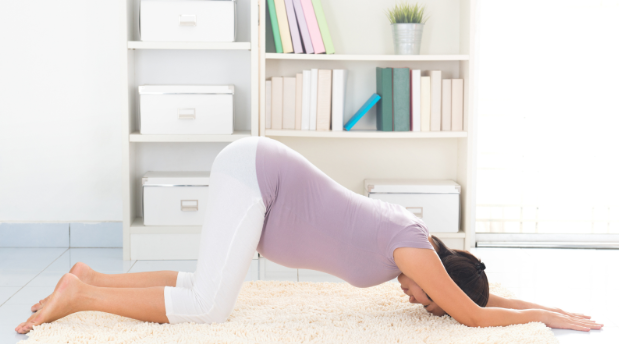
Pregnancy, birth and postnatal recovery involve changes in load distribution, breathing, the abdominal wall and the pelvic floor. Each person’s experience and recovery will be different.
The evidence suggests that structured antenatal pelvic floor muscle training may reduce the risk of urinary incontinence in some women who are not already experiencing leakage. The findings are less certain when symptoms are already present or when training begins only after birth.
This distinction between prevention, treatment and general exercise matters. Any programme should consider clinical and obstetric history, current symptoms, the stage of pregnancy or postnatal recovery and the individual response to movement.
How can you choose a starting point?
The following questions may help:
- Are pain, urinary leakage, urgency, pelvic heaviness or other symptoms affecting everyday life?
- Would you like to understand or recover a particular function?
- Are you looking for supervised and progressive exercise?
- Are you pregnant, recently postnatal or recovering from surgery?
- Are concerns or uncertainty limiting your return to movement?
When pelvic symptoms or concerns about pelvic floor function are present, a pelvic floor physiotherapy assessment may help establish an appropriate starting point.
When the main aim is to exercise with professional support, develop physical capacity and progress at an individual pace, Clinical Pilates may be a suitable option.
Care at MaterClinic
At MaterClinic in Charneca de Caparica, the choice of care begins with the person’s current situation and the goals they would like to achieve.
The available options, the purpose of each intervention and any changes to the plan are discussed throughout the process, allowing decisions to be made with information and active participation.
You can learn more about pelvic floor physiotherapy and Clinical Pilates, or contact the team to discuss which starting point may be appropriate for you.
This article provides general information and does not replace an individual assessment by a qualified healthcare professional.
References
National Institute for Health and Care Excellence. Urinary incontinence and pelvic organ prolapse in women: management. NICE guideline NG123.
https://www.nice.org.uk/guidance/ng123
Woodley SJ, Lawrenson P, Boyle R, et al. Pelvic floor muscle training for preventing and treating urinary and faecal incontinence in antenatal and postnatal women. Cochrane Database of Systematic Reviews. 2020;5:CD007471.
https://doi.org/10.1002/14651858.CD007471.pub4
Yamato TP, Maher CG, Saragiotto BT, et al. Pilates for low back pain. Cochrane Database of Systematic Reviews. 2015;7:CD010265.
https://doi.org/10.1002/14651858.CD010265.pub2
World Health Organization. WHO guideline for non-surgical management of chronic primary low back pain in adults in primary and community care settings. 2023.
https://www.who.int/publications/i/item/9789240081789