
Physiotherapy Musculoskeletal in Charneca de Caparica

The body that cares needs care too

Physiotherapy Musculoskeletal in Charneca de Caparica

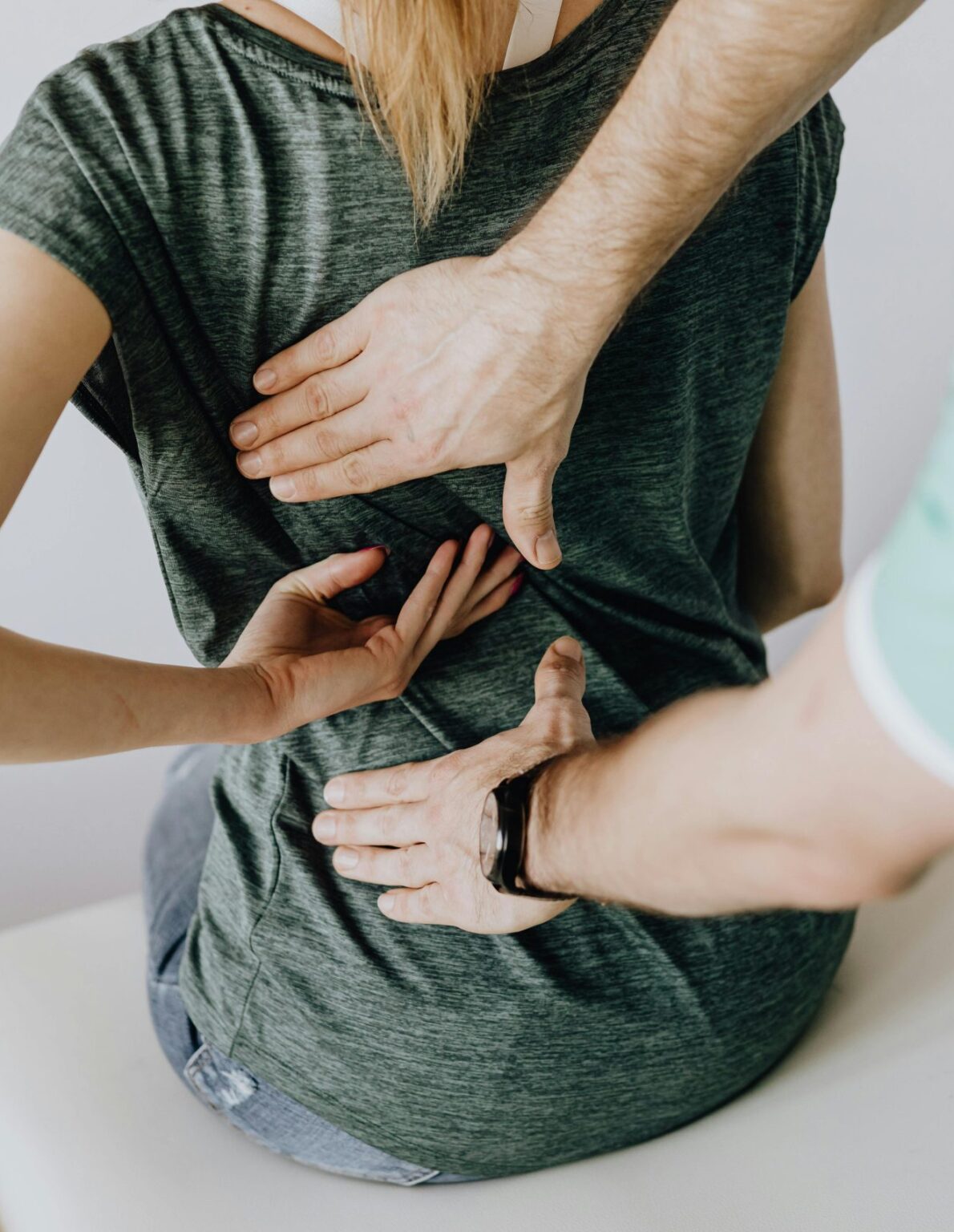
Musculoskeletal physiotherapy assesses and treats pain and limitations affecting joints, muscles, tendons, ligaments, and daily movements.

Using therapeutic exercises, education, and self-management strategies, we aim to reduce your pain, help you regain your mobility, and improve the function of your muscles and joints.

Request an appointment

Who it is for

Physiotherapy Musculoskeletal in Charneca de Caparica

Back and neck pain

Lower back, mid back or neck, including pain that has lasted a long time.

Joints

Shoulder, hip, knee, foot and ankle, arthritis and osteoarthritis.

Injuries and surgery

Sports injuries, tendinopathies and recovery after orthopaedic surgery.

Movement and prevention

Loss of mobility, prevention and returning to physical activity.

How it works

  1. AssessmentWe get to know your pain, your history and your goals, and assess how you move.
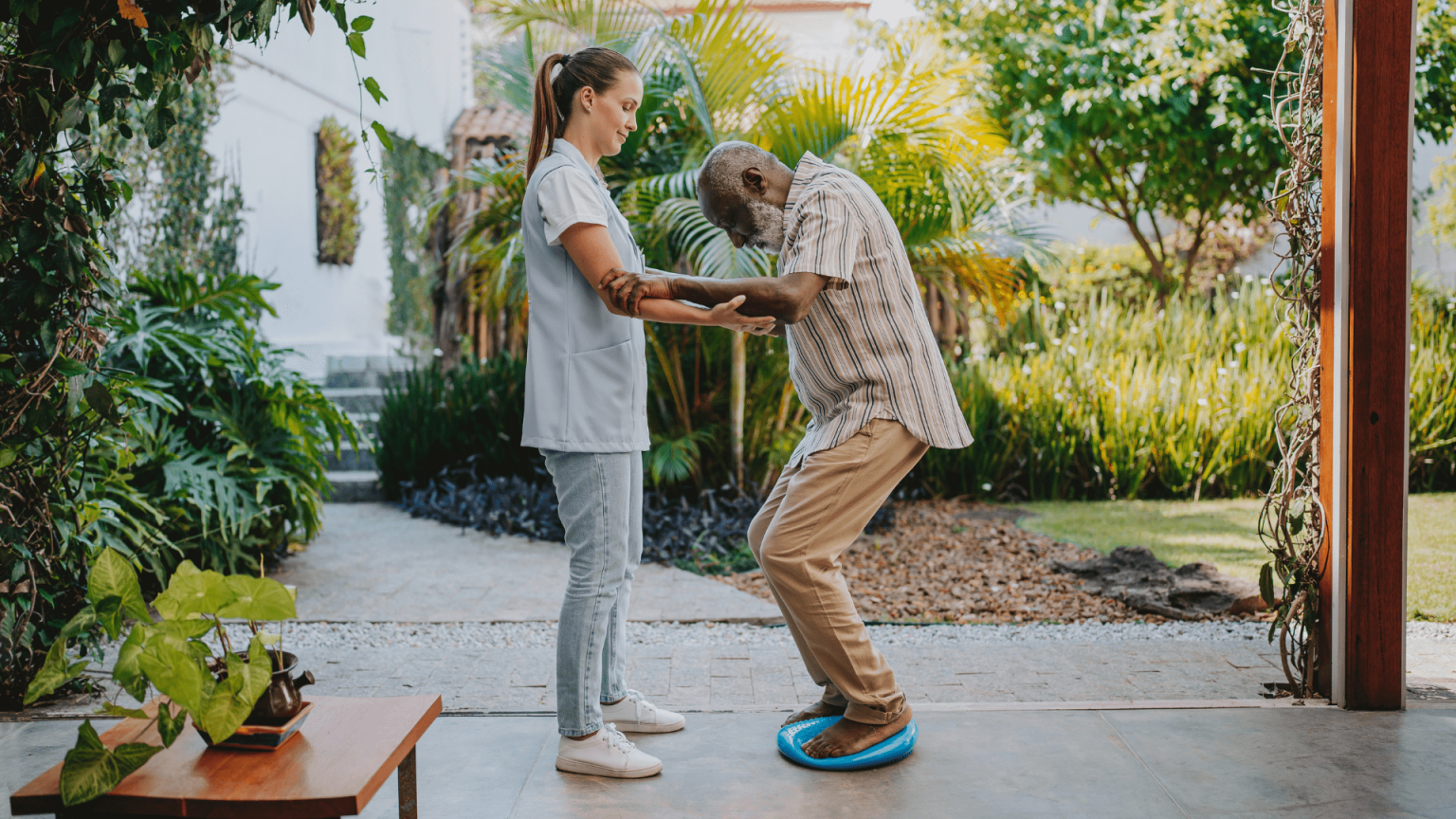
  2. An active planTargeted, progressive therapeutic exercise, the first-line approach in international guidelines. Manual therapy is used when it helps, as part of an active plan.
  3. Education and self-managementWe explain the problem and how to manage it, which improves pain and function and reduces relapses.
  4. IndependenceMany people notice changes in the first 4 to 6 weeks. The aim is for you to become independent, not reliant on treatment.

Request an appointment

Send us your request. We will get in touch to confirm availability and arrange a time.

  • Reply within 48 working hours
  • With a physiotherapist
  • At MaterClinic, Charneca de Caparica

The data will be used by MaterClinic, Lda. solely to respond to and manage this request. Submission does not automatically confirm an appointment or enrolment. Please see our Privacy Policy.

Frequently asked questions

Who is this type of physiotherapy for?

For anyone experiencing pain or limitations related to: spine (lumbar, dorsal, cervical), shoulder, hip, knee, foot/ankle, sports injuries, tendinopathies, arthritis/osteoarthritis, post-orthopedic surgery, or loss of mobility.

It is equally useful in prevention and return to physical activity.

Does musculoskeletal physiotherapy really work?

Yes. International guidelines are clear:

Therapeutic exercise is the first-line intervention for relieving lower back, neck, joint pain and tendinopathies.

Education and self-management improve pain, function and reduce relapses.

Manual therapy can relieve symptoms in the short term when integrated into an active plan.

Evidence points to better results when physiotherapy combines movement + education + personalized strategies.

Do I need to "strengthen everything" to improve?

No. The key is to train in a targeted and progressive way, adapted to your symptoms, abilities, and goals. Generic plans or random exercises rarely solve the root cause of the problem.

How soon can I expect improvements?

It depends on the type of problem, but many people notice changes within the first 4–6 weeks when following a structured plan.

Full recovery may take longer, especially with persistent pain, post-surgery, or tendon injuries, but progress is consistent when the process is followed.

Will I need many sessions?

Not necessarily.

The focus is on making them autonomous: understanding the problem, learning effective strategies, and evolving safely.

The frequency depends on the complexity of the situation, but the goal is never to create dependency.

Does physiotherapy help with chronic pain?

Yes, provided the plan integrates progressive exercise, education, pain management strategies, and sustainable habits. Persistent pain does not mean "ongoing damage," it means a sensitive system that needs reprogramming.

I have another question. How can I reach you?

Send us a request using the form on this page or message us on WhatsApp. We reply within 48 working hours.

Inês Sousa

Physiotherapist

Inês Sousa has been a qualified physiotherapist since 2019. Throughout her career, she has focused her training and clinical practice on Women’s Health and Clinical Pilates during pregnancy and the postpartum period.

She has also completed further training in the management of temporomandibular joint disorders and manual therapy.

At MaterClinic®, she provides individualised support, taking the time to understand each woman’s needs and develop an intervention suited to her goals and current stage of life.

Miguel Teixeira

IAIM Certified Infant Massage Instructor

As a father of four girls and one boy, Miguel Teixeira was inspired by his own experience of parenthood to deepen his understanding of the relationship and communication between parents and babies.

He completed certified Infant Massage Instructor training with the International Association of Infant Massage.

At MaterClinic®, he teaches parents how to massage their babies while respecting each baby’s individual cues and rhythm. The massage is performed by the parents themselves, creating an opportunity for closeness, discovery and greater confidence in their relationship with their baby.

Inês Barbosa Gouveia

Physiotherapist

Inês Barbosa Gouveia is a physiotherapist who graduated from Egas Moniz School of Health. She has completed further training in pelvic rehabilitation and APPI-certified Clinical Pilates Matwork.

Her clinical experience includes musculoskeletal physiotherapy, pelvic rehabilitation and Clinical Pilates.

At MaterClinic®, she begins with an individual assessment to understand each person’s needs, establish realistic goals and develop an intervention plan suited to their condition and everyday life.

Cláudia Agostinho

Specialist Nurse in Maternal and Obstetric Health and Founder of MaterClinic®

Cláudia Agostinho is a mother of four and also has a stepdaughter. Motherhood deepened her commitment to caring for others and brought greater clarity to the professional path she wanted to follow.

After specialising in Maternal and Obstetric Health Nursing, she founded MaterClinic®, a healthcare space created to support families through knowledge, personal care and respect for their choices.

She is also a Breastfeeding Counsellor, holds a postgraduate specialisation in the Psychology of Pregnancy and Parenthood, and has completed training as a GentleBirth instructor. These qualifications form part of a professional journey guided by one constant question: what evidence supports the guidance we give to families?

She is currently completing a programme in Evidence-Based Practice, further developing her skills in research, critical appraisal and the application of scientific literature. This enables her to assess the quality of health information independently and translate scientific knowledge into clear, rigorous guidance and educational content adapted to the reality of each family.

Through her clinical practice, she helps parents understand their children’s needs and trust their own ability to make decisions. She believes that reliable information, careful listening and individualised support allow each family to find the answers that work for them, with greater confidence and autonomy.